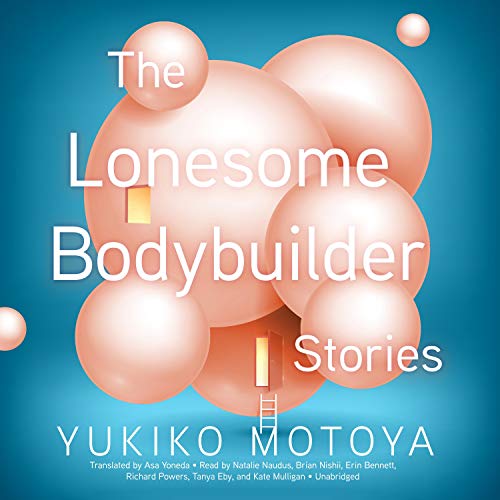
The Lonesome Bodybuilder: Stories
By Motoya Yukiko
Translated by Asa Yoneda
(Translated 2018)
Soft Skull Press
The Lonesome Body Builder: Stories, features ten short stories and novella by Motoya Yukiko, the author of the novels The Hole and The Factory. In the blink of an eye, the stories slip from the routine and the mundane into the surreal. Motoya subjects modern life, modern marriage, and especially the modern woman to extraordinary, uncanny trials that often involve some form of metamorphosis. In the title story, a neglected wife takes inspiration from her husband’s fascination with televised boxing matches and imagines what it would be like to have muscles. She takes up weightlifting, and she is so successful at it that her coworkers and even people on the street recognize that she is morphing into a being well outside the accepted model of femininity; her husband, however, does not. In “Fitting Room,” a saleswoman in a dress shop provides exceptional service to a customer who is clearly uncomfortable in her own body. In the feverish and horrific “The Women,” wives chase their husbands into the night like dogs driving their prey. Not a little reminiscent of a tale from Ovid, “The Story of Actaeon,” perhaps, except the men keep their form while the women endure a violent alteration as, against their wills, their bodies morph into the form of one or more of their husband’s fantasy women. In the novella, “An Exotic Marriage,” a woman wonders about a phenomenon she’s noticed: Do couples begin to resemble one another? To her horror, she discovers a peculiar disfiguring and sagging quality to the skin on her face, and more than once catches her husband in a silent reverie when his eyes, nose and mouth appear to be sliding from his skull. And in the final short story, “The Straw Husband,” a woman suffers under a controlling husband who is a life-size, featureless man of straw who happens to look good in a bright blue soccer jersey. As rendered by Asa Yoneda, who also translates for Banana Yoshimoto, Motoya Yushiko’s the experience of women yearning for something greater in their relationships and their lives is made exquisitely real, and surprisingly, more so, because of her provocative use of the uncanny.
“Do you understand the heartbreak of realizing you’ve lost the ability to respond to things you’ve seen with your very own eyes with genuine surprise? How it feels when rationality, and hard-won experience, and your career all suddenly seem pointless? How far I’ve strayed from the carefree, innocent child I was. All that youth, and the potential that I must have once had, wasted. When I look at you, I’m confronted by the fact that I’ve turned into a totally uninteresting person. Don’t you dare make me remember who I used to be.”

